
Quaynect - All in one digital platform
Description
Quaynect is the product of a 12 week service design product made possible thanks to Dream Unlimited.
The service design elements (research, interviewing, concept development, features, and service blueprinting) of quaynect was developed in collaboration with Mark Miranda, Sabrina Huffman & Shivalika Reddy, However, the User Interface and visuals of the platform were designed individually.
Quayside Service Design Case Study
This case study follows a service deign term project developed over 12 weeks: Assignment 1 (Design Opportunities Brief), Assignment 2 (Prototype Development), and Assignment 3 (Final Product & Service Blueprinting).
Overview
The project came out of a service design course where we partnered with Dream Unlimited and used their Quayside development as a real-world client context.
The scope was intentionally open. Instead of being handed a predefined problem or solution, we started with research to understand what services and experiences would make a new waterfront community feel livable, connected, and realistically affordable over time.
Course: Service Design Studio (INDS 3011)
Team: Group project (4 designers)
My role: research, synthesis, concept development, prototyping, general service design
Assignment 1: Design Opportunities Brief
Methods and techniques
Desk research and precedent analysis: Quayside context, stakeholder landscape, and comparable waterfront projects.
Observations: Observation, activity mapping, and environmental scans along existing waterfront communities, as well as limited observation on the future site of the quayside development.
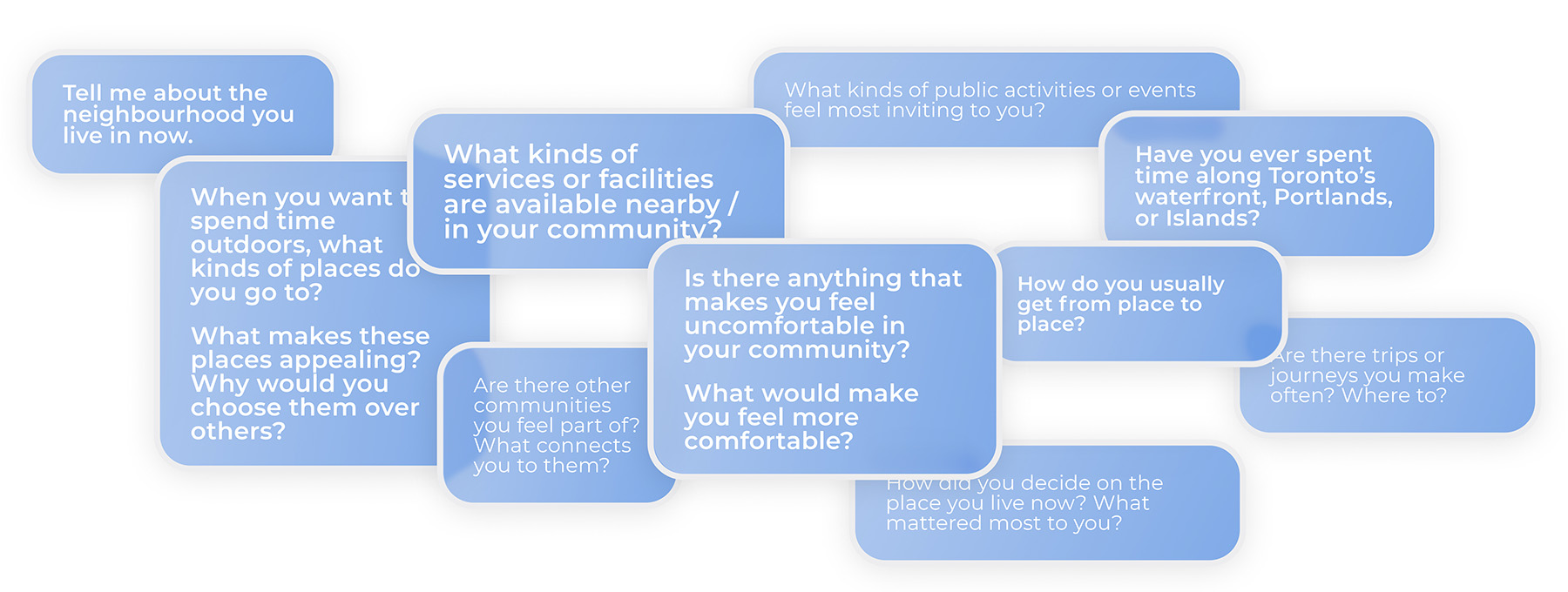
Interviews: Seven semi-structured interviews with young adults (the target audience) to gain insights into their needs.
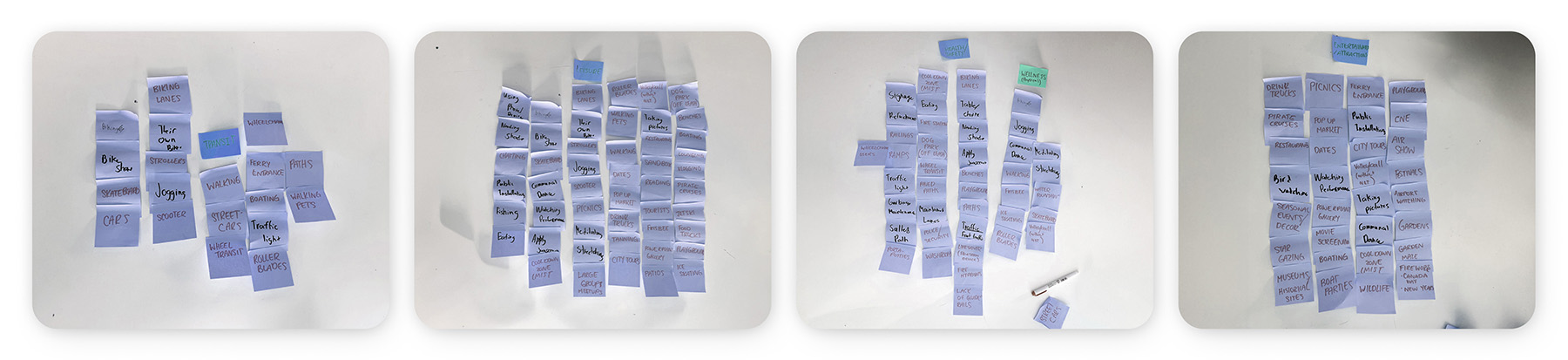
Synthesis: Affinity mapping (physical sticky notes, then digitized), stakeholder mapping, theme clustering.
Key insights and needs
From our synthesis, we identified 4 key areas to target within our service design concept;
Green and Public Spaces, Transit and Mobility, Health and Wellbeing & Costs and Affordability
**key insights figma map w the boxes
Generative questions
From our insights, we crafted how might we questions to guide ideation:
1. How might we make it easier for community members to meet, share, and support one another?
2. How might we connect essential services, shops, and amenities into one accessible neighbourhood ecosystem?
3. How might we make this waterfront community feel like a place people want to live and can afford to live?
Assignment 2: Prototype Development
Concept development process
We began with individual ideation, then selected and revised ideas as a group.
Ideation methods: individual sketching, brainstorming, Crazy 8s, collaborative synthesis, and quick stakeholder scenario mapping.
Early concept directions; repair and skills hub, shared resources and lending, food and grocery connections, community boards, regenerative incentives.
*rough ideation sketches + crazy 8s. ui style exploration?
Chosen direction
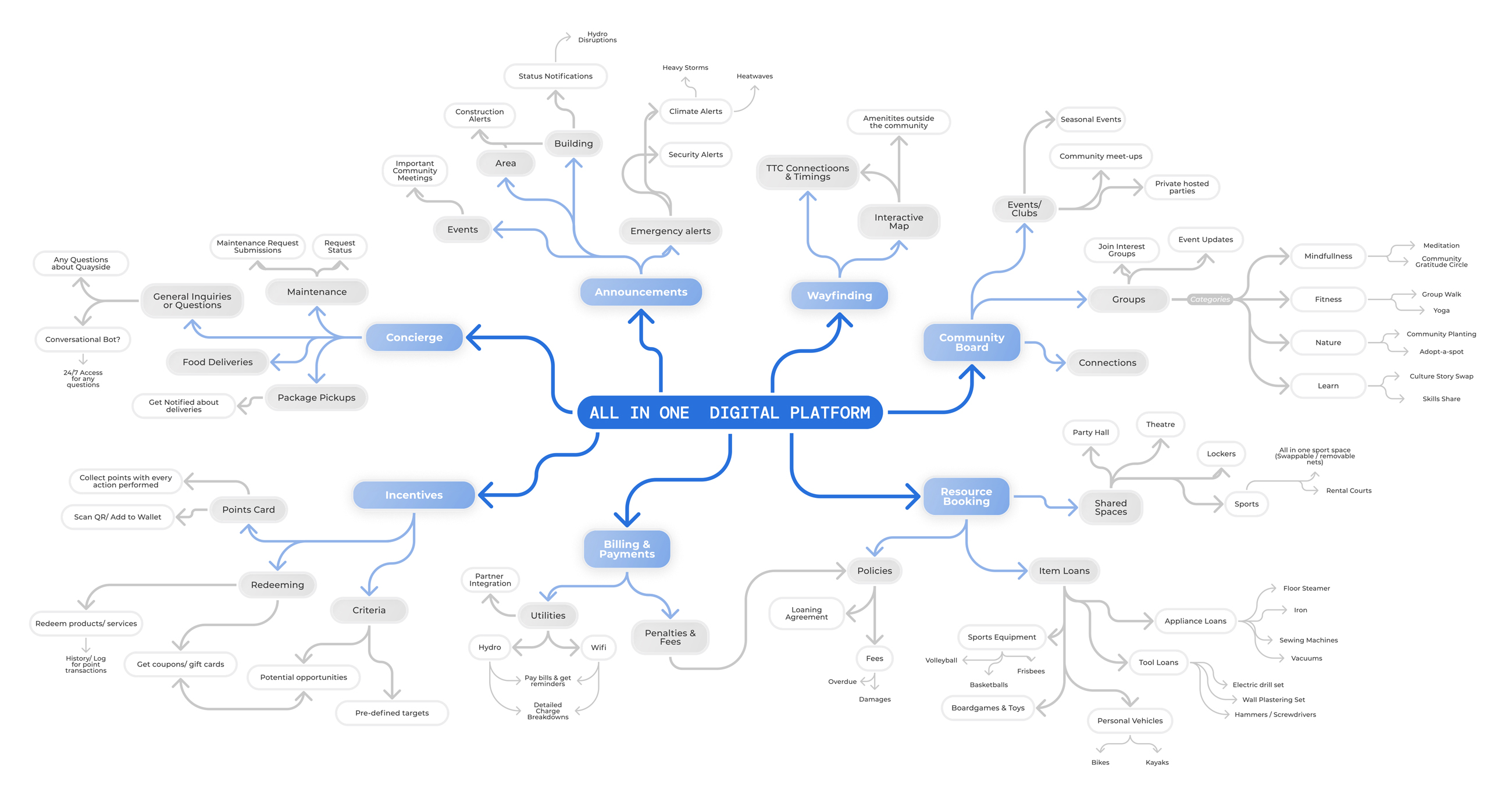
We converged on the concept of an all-in-one platform because it was the most realistic way to support four identified needs, all the while staying flexible to a continually developing plan for Quayside.This platform became Quaynect, a centralized digital platform for everyday resident life.
Our first step was identifying the core branches the service needed in order to respond to the identified core needs. Mapping these branches helped us evaluate opportunities, ensure the concept could support our focus, and prioritize which areas were most important to develop for our final deliverable.
Prototyping
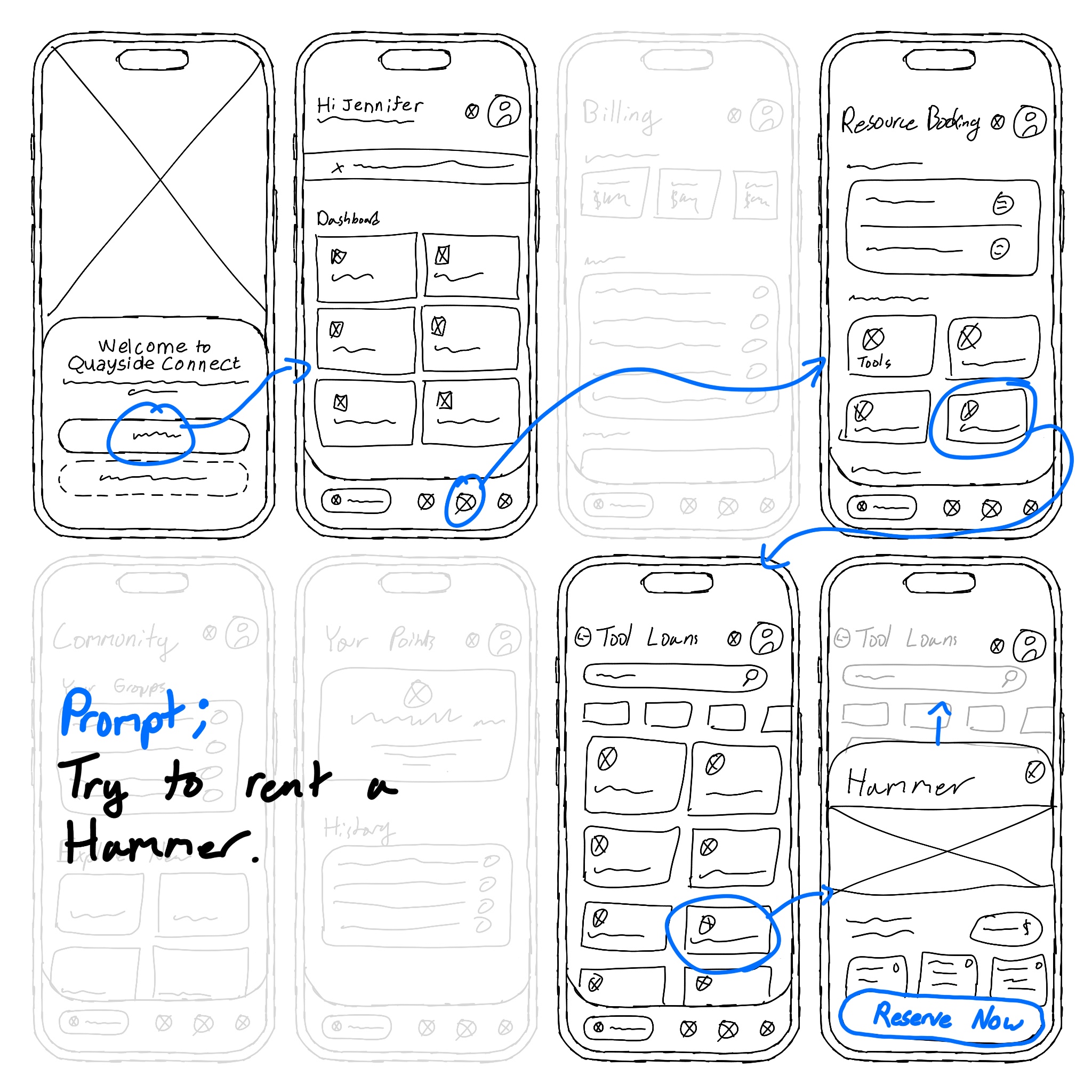
We moved from paper wireframes to Figma wireframes, then a working Figma prototype to test UX flows and explore various styles for the visual interface. Alongside the screens, we created storyboards and flow plans to pressure test the experience end to end and make sure each main feature had a clear purpose and pathway.
We then revisited our initial interviewees and had them try the app and its main features using scenario walkthroughs and think-aloud testing. This helped us understand not just usability, but perceived value and relevance.
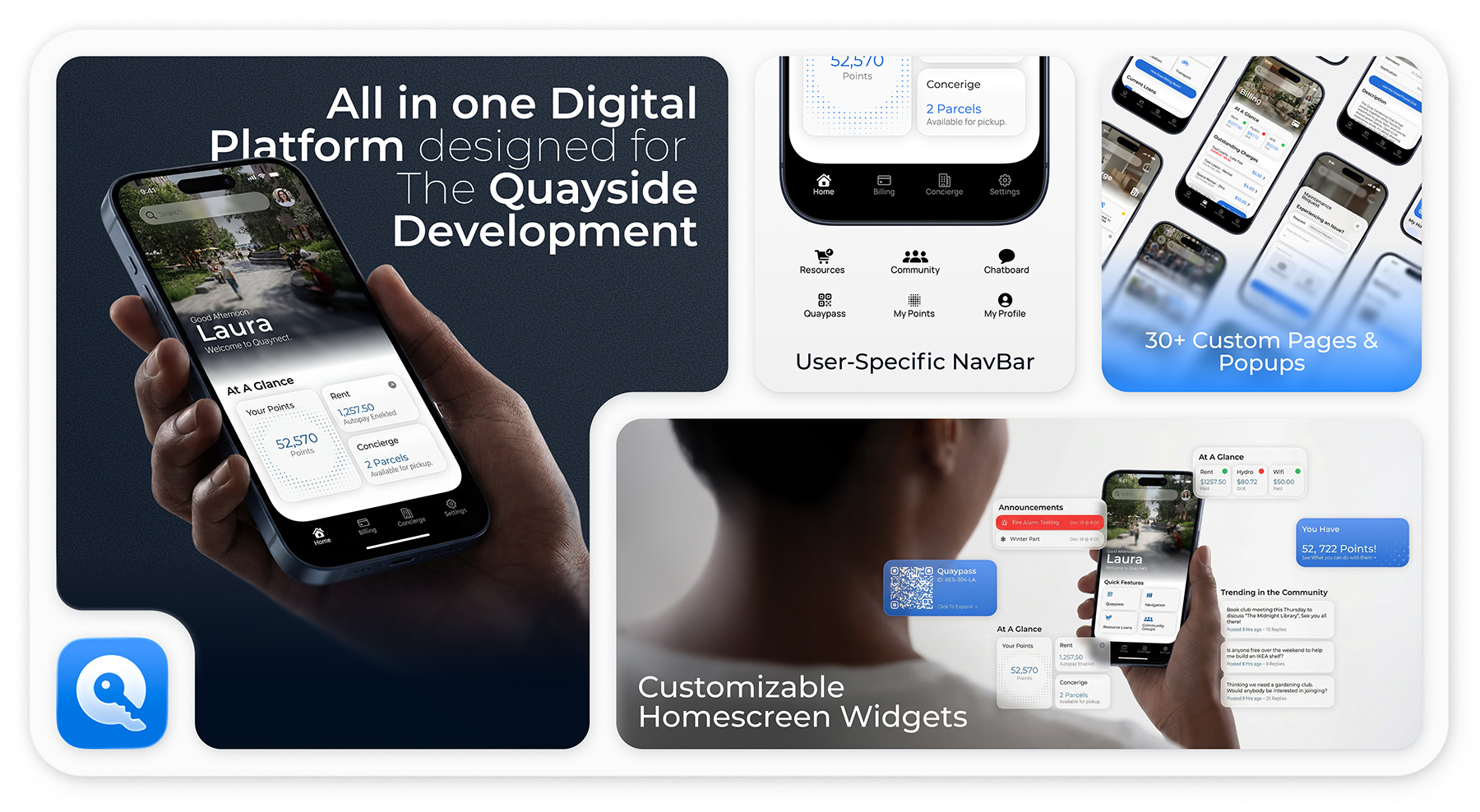
One key insight was the importance of customization. Some participants were highly interested in certain features while being completely uninterested in others. This directly informed the final design, which supports custom homepage widgets and navbar pinning so residents can prioritize the pages that matter most to them.
Assignment 3: Final Service Design Blueprinting
Service blueprinting
Blueprinting helped us prove the service beyond the interface. We mapped in-depth resident flows over time, frontstage touchpoints, community-facing roles, backstage operations, supporting systems, etc.
Our primary focus during blueprinting was on what happens backstage; By detailing the operational actions, responsibilities, and system interactions, we aimed to give the client a clearer understanding of how the proposed service would function in practice, and how it would interact with other systems.
Final concept: Quaynect
Quaynect is a centralized service platform designed to reduce daily friction and support belonging over time. It ties together building services and community participation through a single system.
Next steps for Quaynect
Reflection
This project taught me to design for time, not just touchpoints. The hardest part was narrowing the work into a service that could be understood quickly, and sustained through real operations, especially given the lack of restrictions in the assignment prompt.
The Project.
This Project was deivered in three parts. View the full presentations via the Figma links below.
All 3 deliverables were developed collaboratively with Mark Miranda, Sabrina Huffman, and Shivalika Reddy. Presentations designed and predominantly formatted by me.
Part 1: Sevice Design Brief
Part 2: Service Design Prototypes
Part 3: Service Design Blueprinting & Final
The app prototype is also live on sketch, and can be found Here.
See more
Check out other projects, or return home
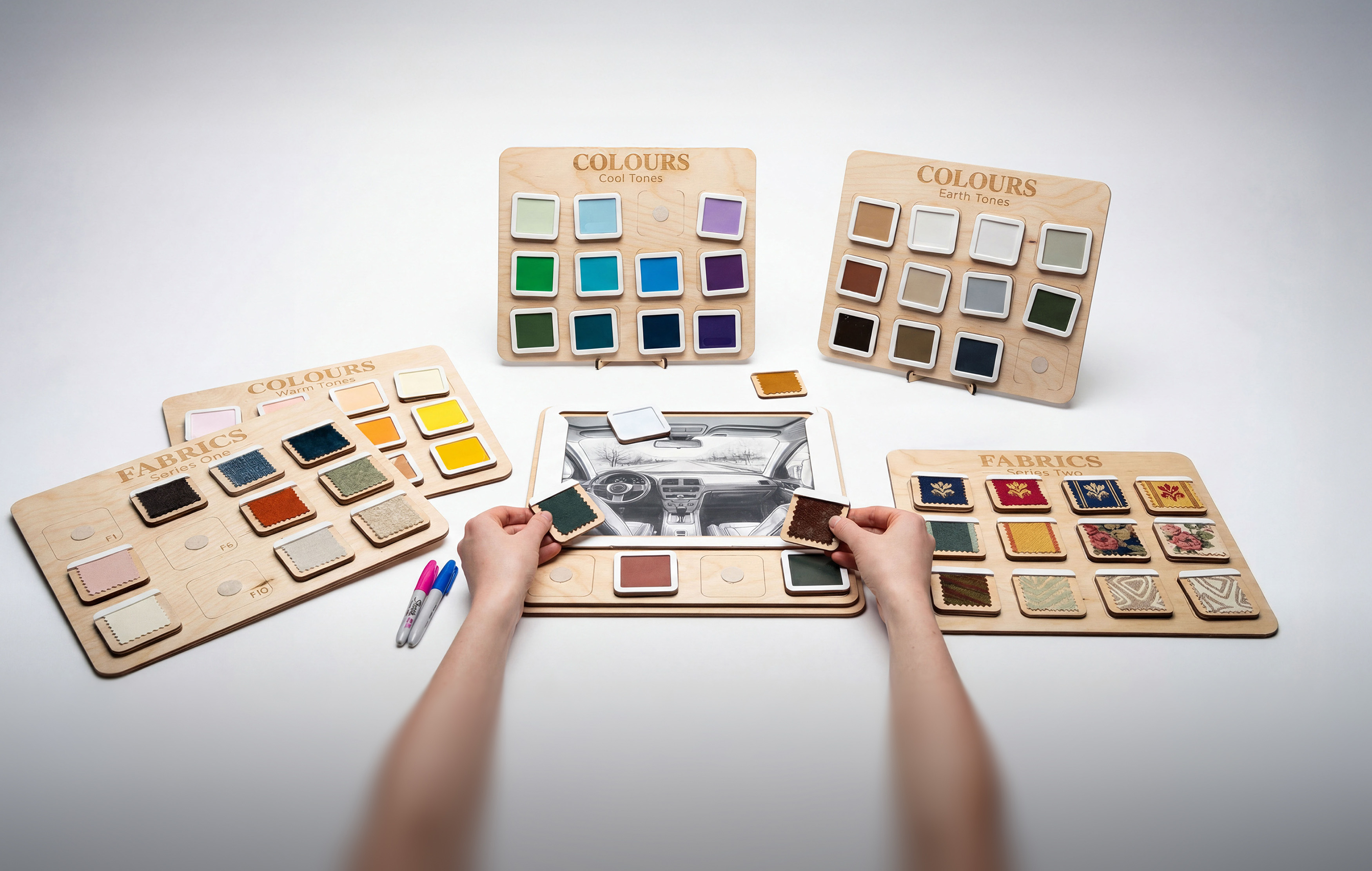
Possibilities Palettes
Designed with people living with dementia in mind, Possibilities Palettes are designed from start to finish to be customizable, cognitively engaging, and applicable to all.

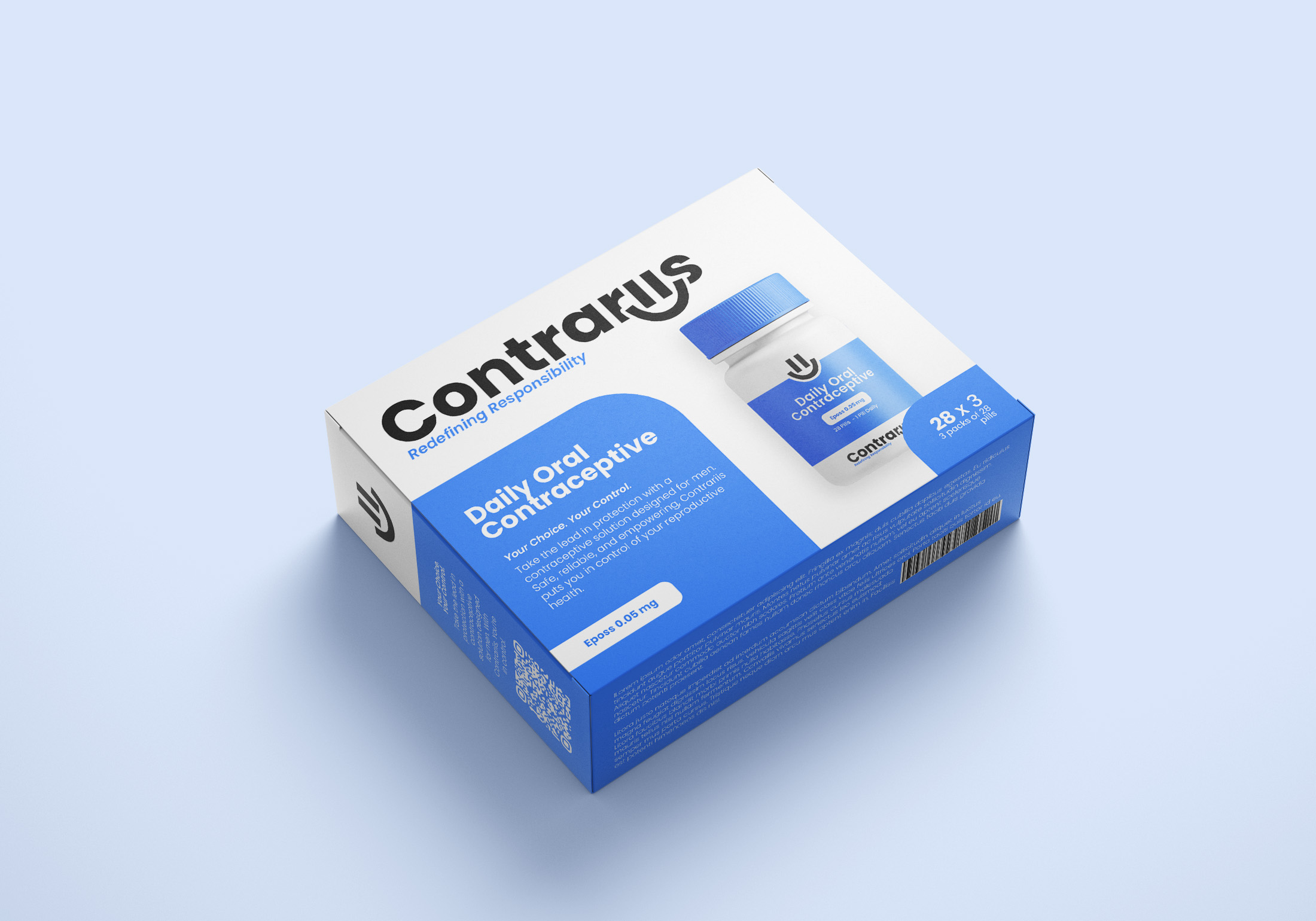
Contrariis
"Your Choice. Your Control" - Visual Brand Design Concept for a Contraceptive Brand.
Memo
AI‑powered voice recorder & assistant
Interested?
Get In Touch
Or email mp@mitchellpretak.com